


We don’t currently offer Mental training in Imst.
This service is available at our Innsbruck location.
At a glance
With the high demands of an often stressful everyday life, mental health is becoming increasingly important and, alongside enough exercise and a healthy diet, contributes significantly to your well-being.
The focus is on increasing mental performance and well-being in sport and other areas of life, such as work or family. This is achieved by learning to deal with stress in a healthy way, building stable self-confidence, improving your ability to relax, activating your own skills and strengths, and preventing injuries.
Learning practical methods makes it possible to draw on your skills and resources at the decisive moment. As in athletic training or physiotherapy, these skills are trained in a targeted and planned way.
In recreational and competitive sport, common topics include improving concentration and self-regulation, sound competition preparation, planned goal-setting, dealing with nerves and anxiety, and visualisation training.
During a break due to injury, sports psychology and mental training can be an important support on the way to rehabilitation. The right support can help you cope better with pain, support the physiotherapy process with visualisation exercises and make your return to athletic training or working life a success.
Focus areas
Whether top athlete or recreational sportsperson: injuries have a major impact on our physical and mental well-being and, depending on your personal situation, can be a critical event. Mental training can help you get through rehabilitation as well as possible, support the healing process, prepare your return to sport and offer strategies to overcome any blockages after a break due to injury.
Sports psychology is about increasing performance and well-being in sport. Mental training helps you deal better with the challenges of training and competition and strengthens your ability to perform at your best at the decisive moment. Topics include targeted competition preparation, dealing with stress, pressure and anxiety, improving concentration, goal-setting, visualisation training and much more.
Mental training is used in many different areas and can support your personal growth. It helps you get to know your own values, beliefs and abilities, deal better with emotions, and supports you through upcoming changes or decisions you need to make.
Mental training is also used at team level. The methods described above can also be applied in a group setting. Mental training also helps all those involved agree on shared goals and develop an internal value system.
Examples
Gerhard is a painter and fell off a ladder at work. He was injured in the fall and is now having physiotherapy at Physio 1.0. During therapy, Gerhard goes back to work and notices that he feels unsure both on the ladder and in other painting tasks. Here, mental training could help him process the fall and reactivate the resources he needs for a successful working day.
Julia is a keen cyclist and wants to ride the Ötztal Cycle Marathon next year. Alongside physiotherapy, mental training can be the perfect addition to her usual training and help her focus clearly on her goal and prepare for the competition. It can also help Julia learn techniques to be ready for the particular challenges of the marathon.
Mario is an ambitious footballer. Although he has played football for years, mistakes keep throwing him off balance, so he can’t perform at his best on the pitch. Mental training explores the reasons for the drop in performance and works out solutions. It also improves his ability to self-regulate and develops strategies to make full use of his abilities.
Lisa has two children, a demanding job and loves doing things. Juggling everything is getting harder and harder, and stress is wearing down her concentration. Mental training can work on a clear understanding of her roles and use suitable time management strategies to sharpen her focus. It can also develop ways to strengthen concentration and improve how she deals with stress.
Your contacts
Do you have questions about Mental training? Get in touch directly – we’re happy to advise you.
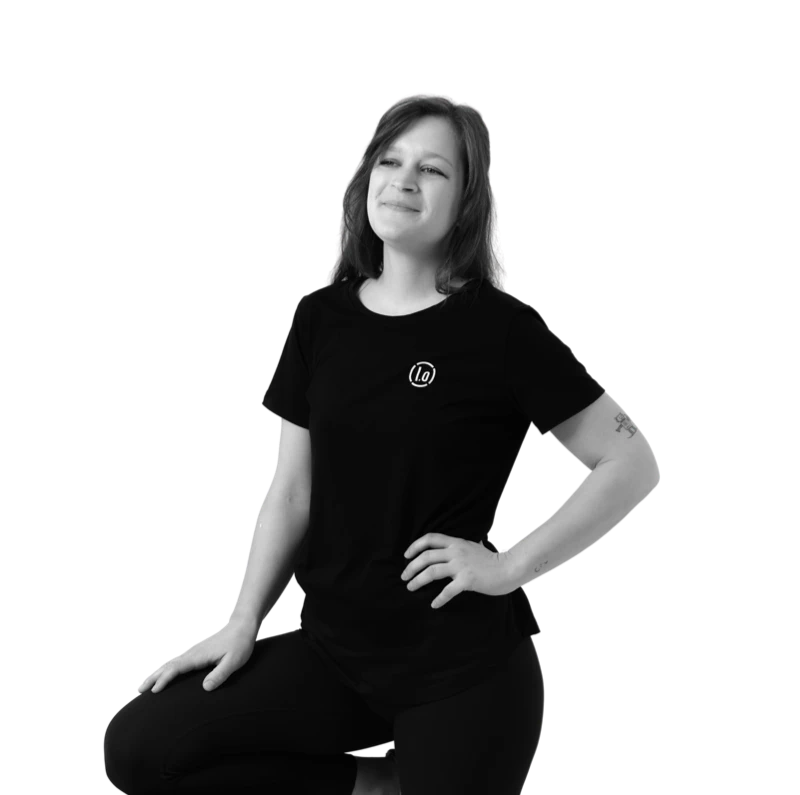

Mental training
After you sign up, we’ll get in touch for a short initial phone call (10–15 minutes). Please let us know a day and time window when you can talk in peace.
In the initial call, we explain how things work, you briefly describe what brings you to us, and we discuss what matters for working together. If you feel comfortable and the trust is there, we’ll book an appointment right away.
Local test with Asana: Submitting creates a real task in this form’s Asana project – just like on the website – and sends a confirmation to the email address given (with LETTERMINT_API_TOKEN). Delete test tasks in Asana afterwards.
Local test: Submissions go to the test project (ASANA_TEST_PROJECT) instead of this form’s project.
Local test without Asana: Submissions only appear in the terminal running npm run dev.
Thanks for signing up!
We’ll call you at the time you gave us for the initial conversation.
Test mode – not sent to Asana. The registration only appears in the terminal running npm run dev.
Test mode – sent to the test project (ASANA_TEST_PROJECT) instead of this form’s project.
Unfortunately, your file couldn’t be transferred. Please bring a printed copy to your first appointment.